Commercial Construction Services: Find the Right Builder for the Work
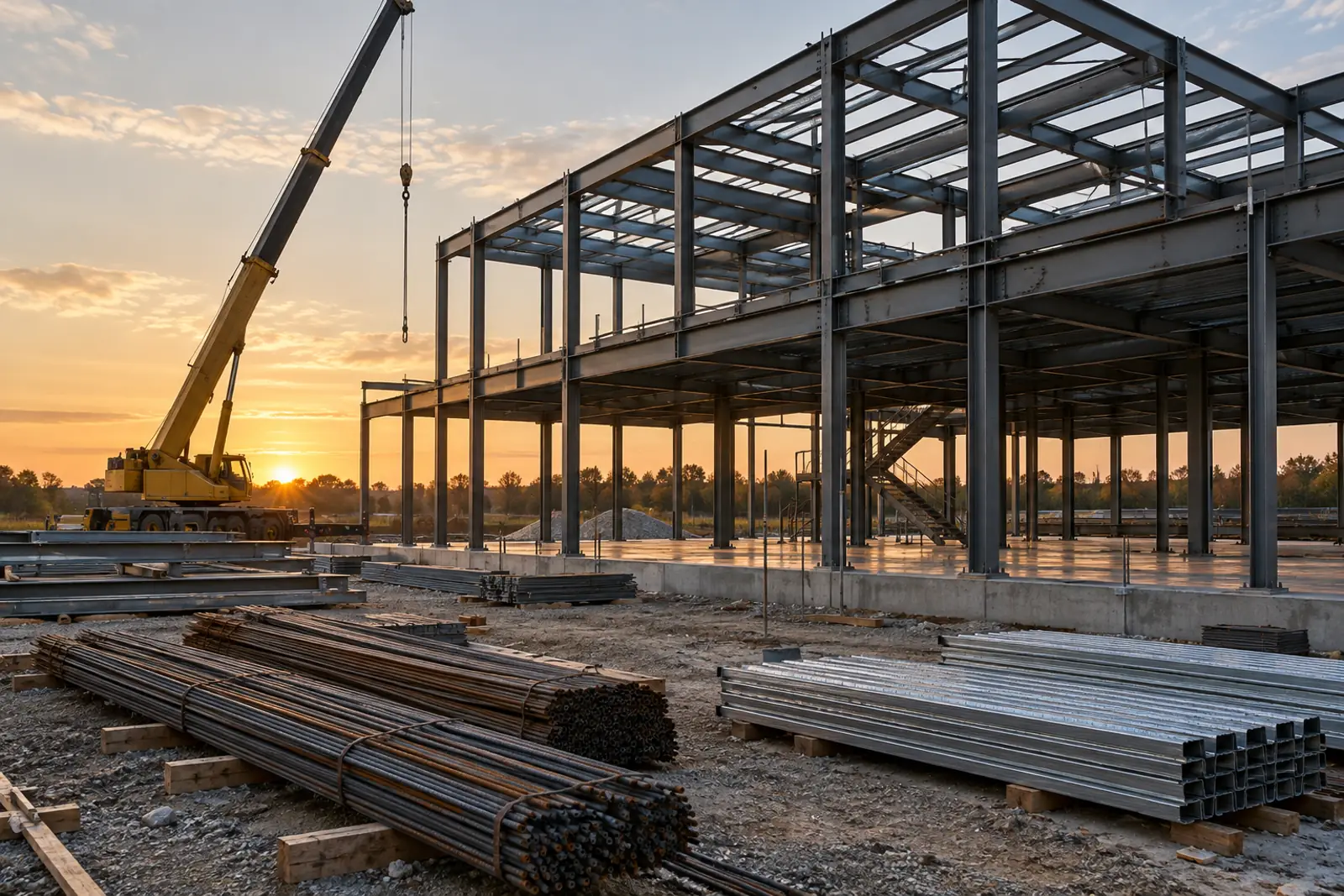
Commercial construction services fall into two groups: the type of work (a new building, a tenant build-out, a renovation of an occupied building) and the way you contract for it (design-bid-build, design-build or construction management at risk). Pick the work type first, then the delivery method, then compare licensed builders who do both.
Commercial construction services by project type
Most owners arrive with a building problem, not a contract question: a lease signed on raw shell space, a roof that has outlived its warranty, a lot that needs a building on it. The pages below split the work the way builders split it, because a firm that is excellent at occupied-building renovation is not automatically the right choice for a tilt-up distribution center. Each page explains how that work is scoped, permitted and priced, what to ask bidders, and which public data is worth reading first.
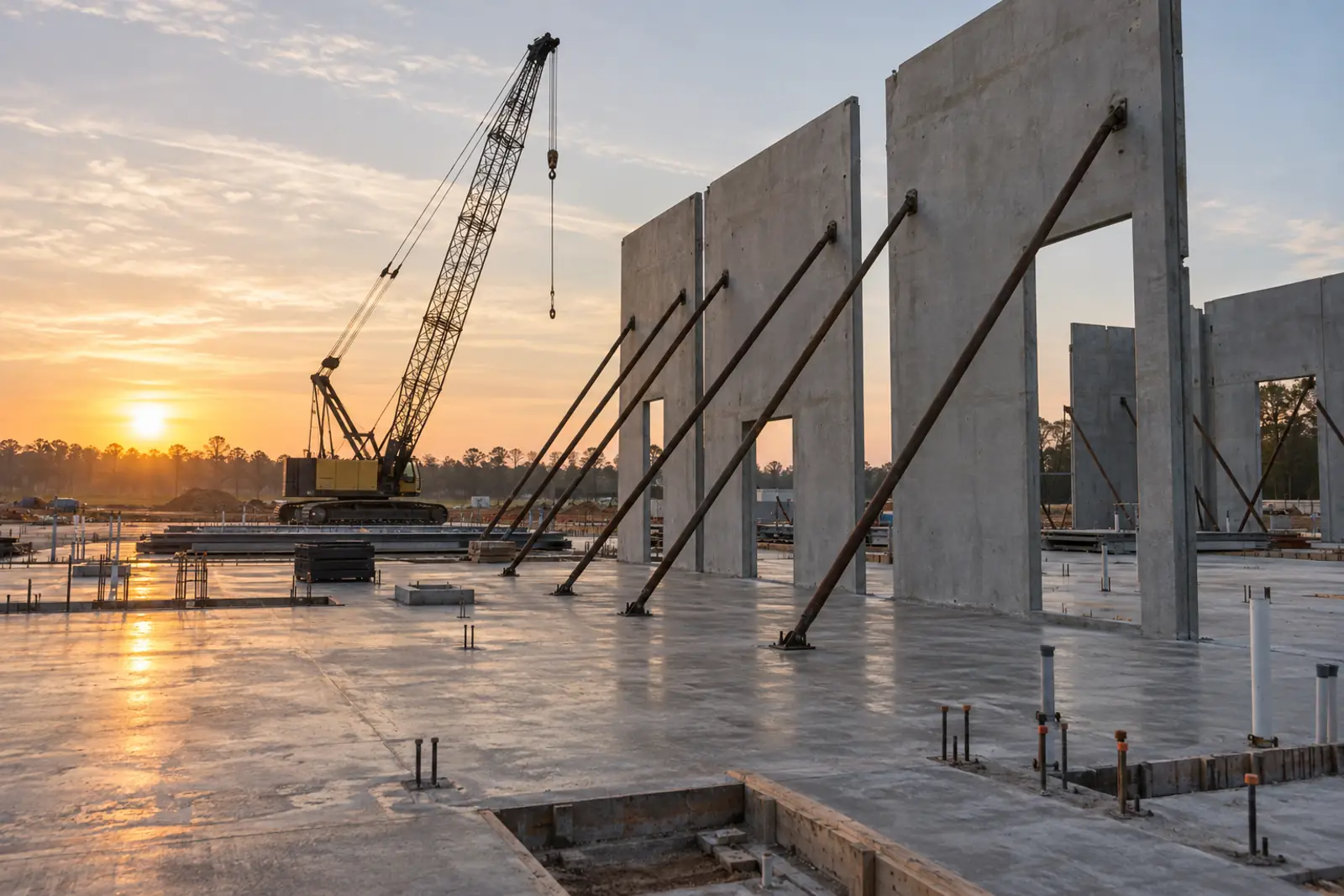
New commercial construction
Ground-up buildings from site work and foundations to the certificate of occupancy.
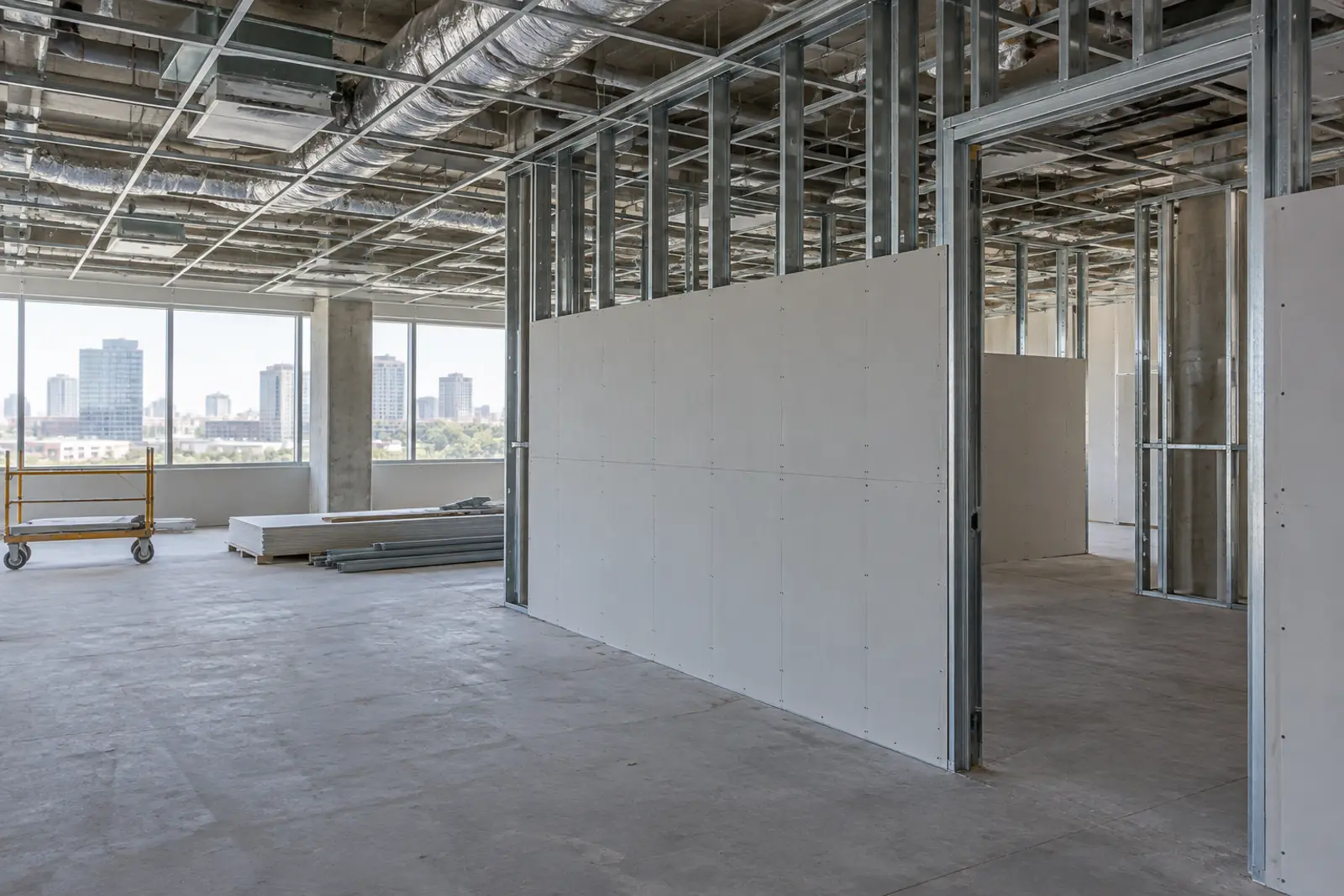
Tenant improvement contractors
Office, retail and restaurant build-outs in shell or second-generation space.
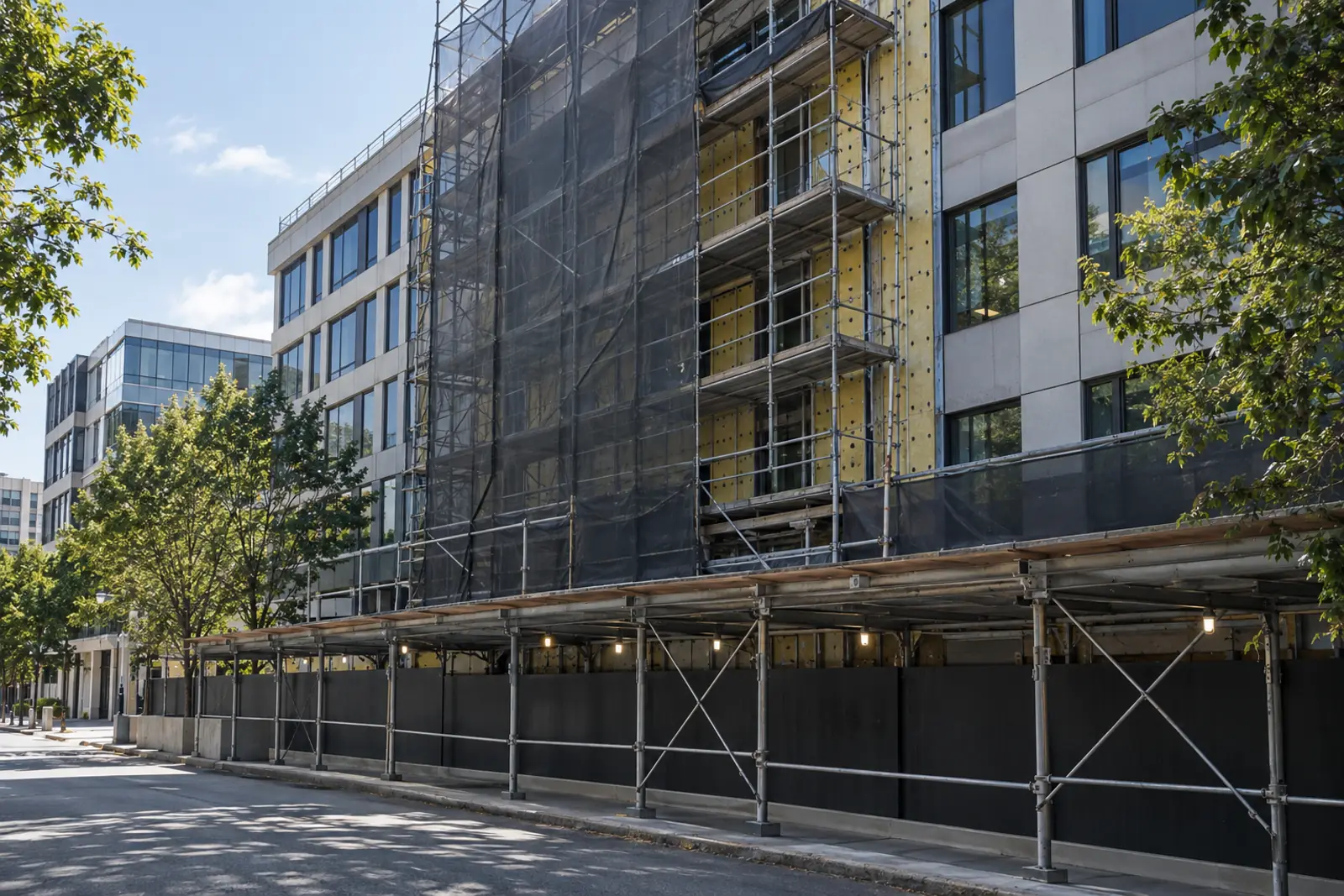
Commercial renovation contractors
Phased remodels, re-roofing, facades and accessibility upgrades in buildings that stay open.
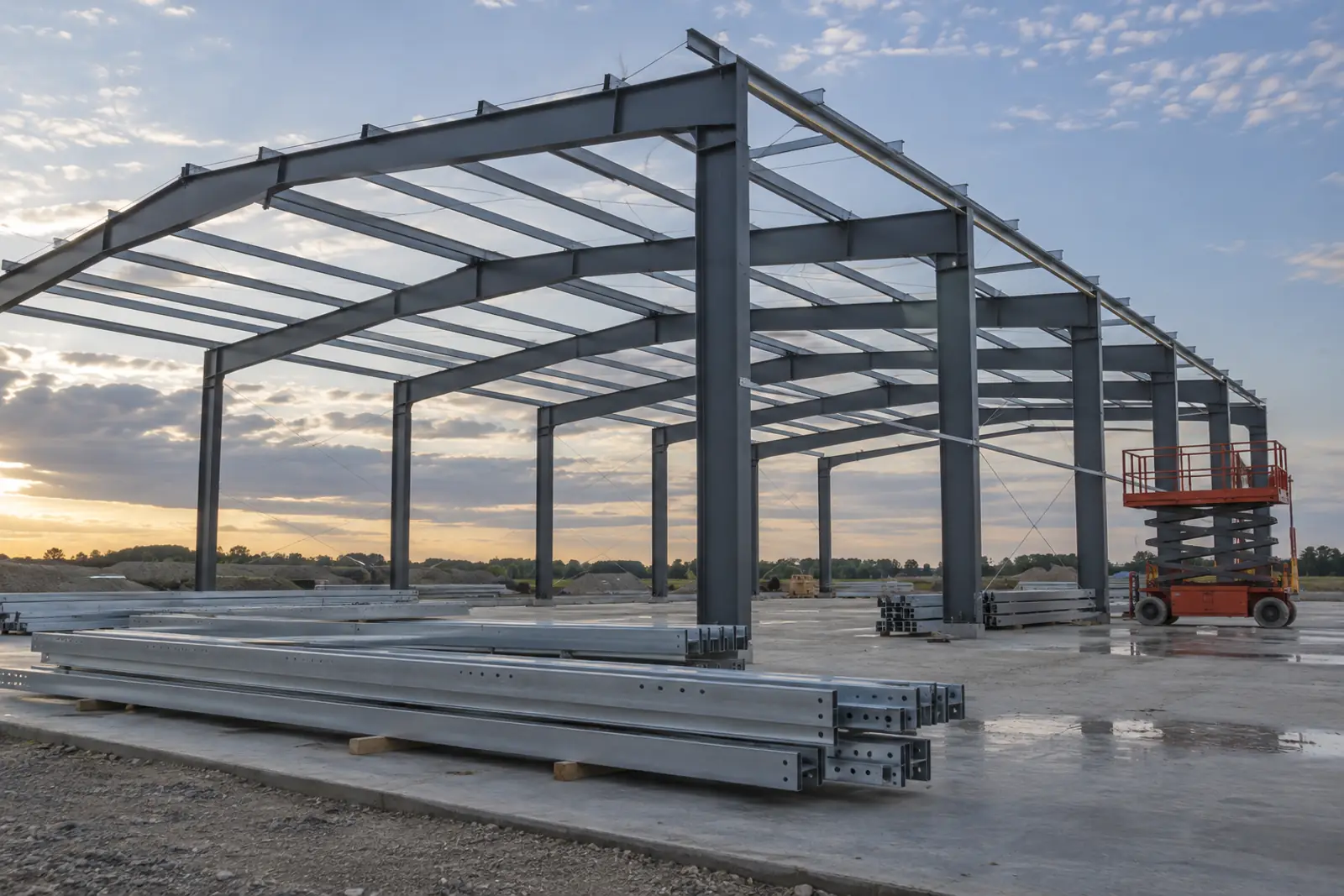
Design-build contractors
One contract and one team for design and construction, with price set as design develops.
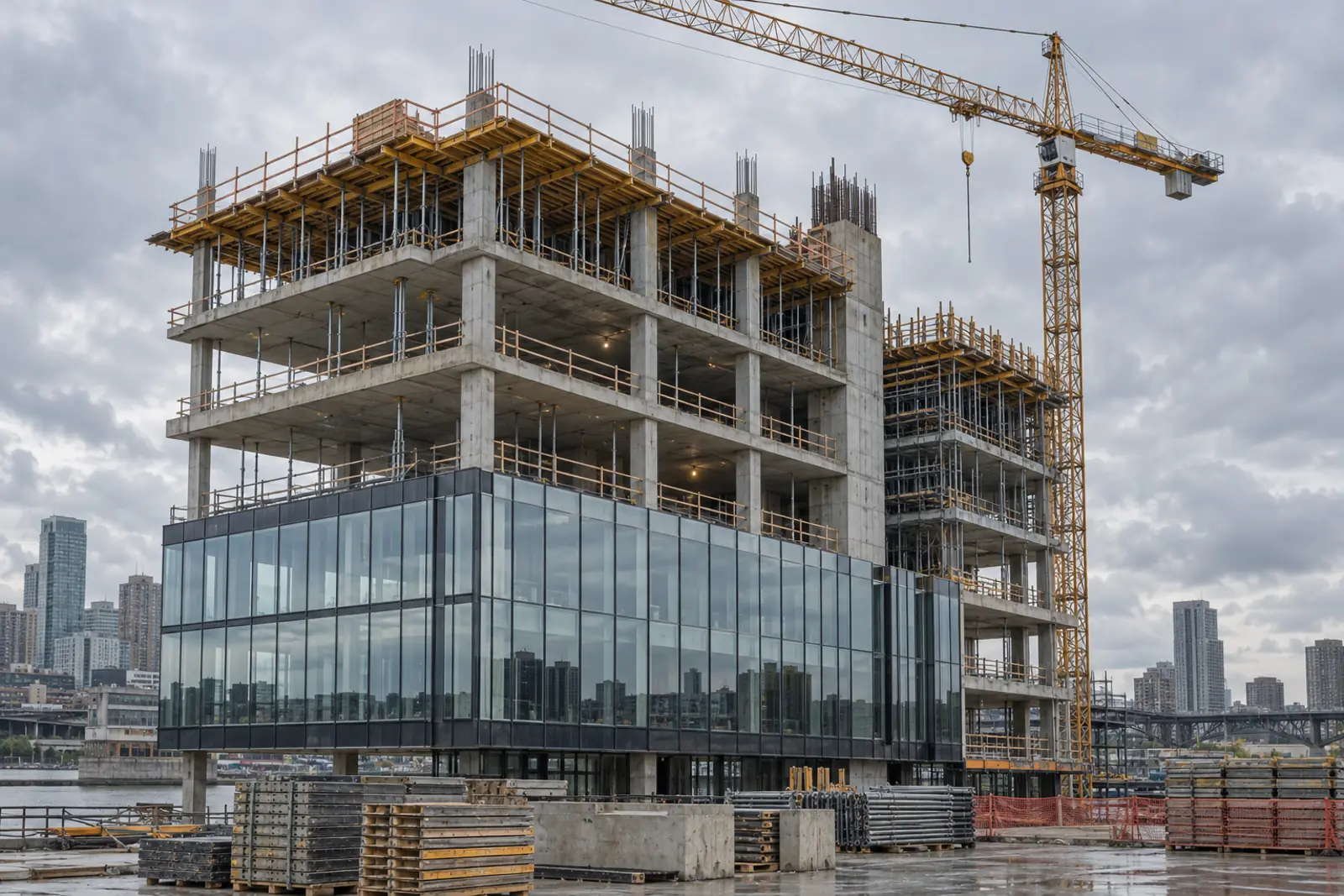
Construction management at risk
A builder hired during design who later commits to a guaranteed maximum price.
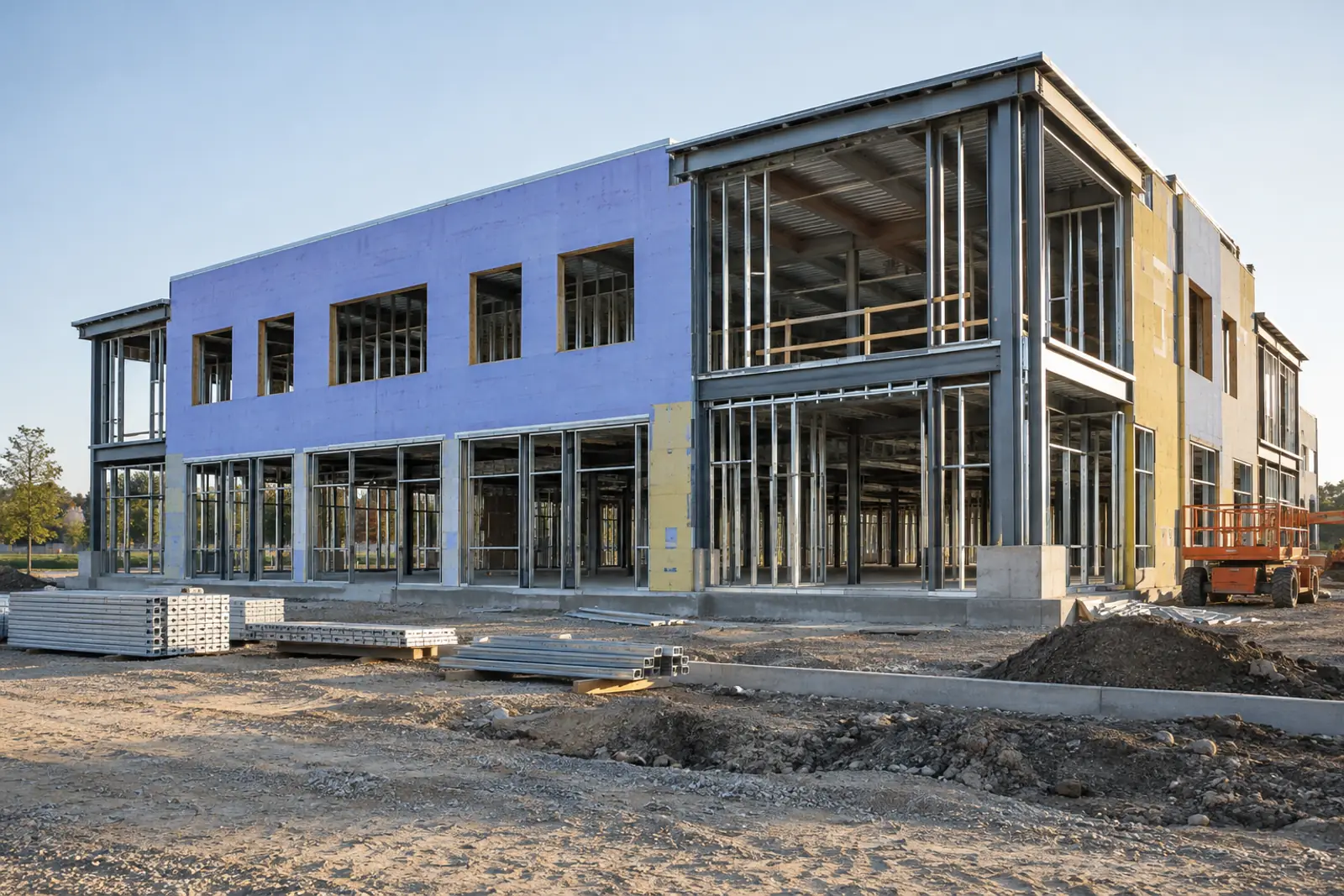
Medical office construction
Clinics, dental suites and outpatient centers built to health care code and infection control.
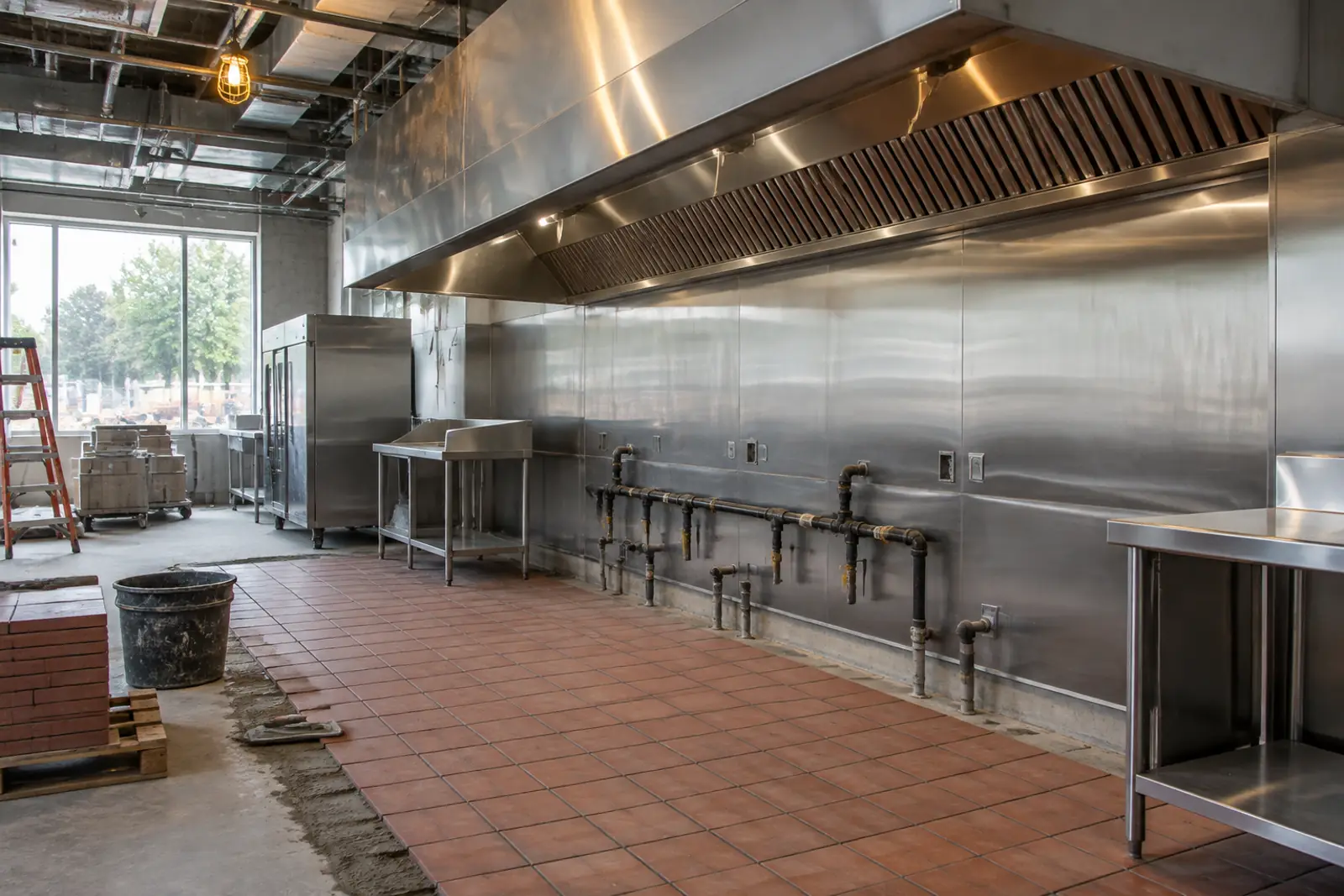
Restaurant build-out contractors
Hoods, grease ducts, walk-ins and health department sign-off planned from the first drawing.
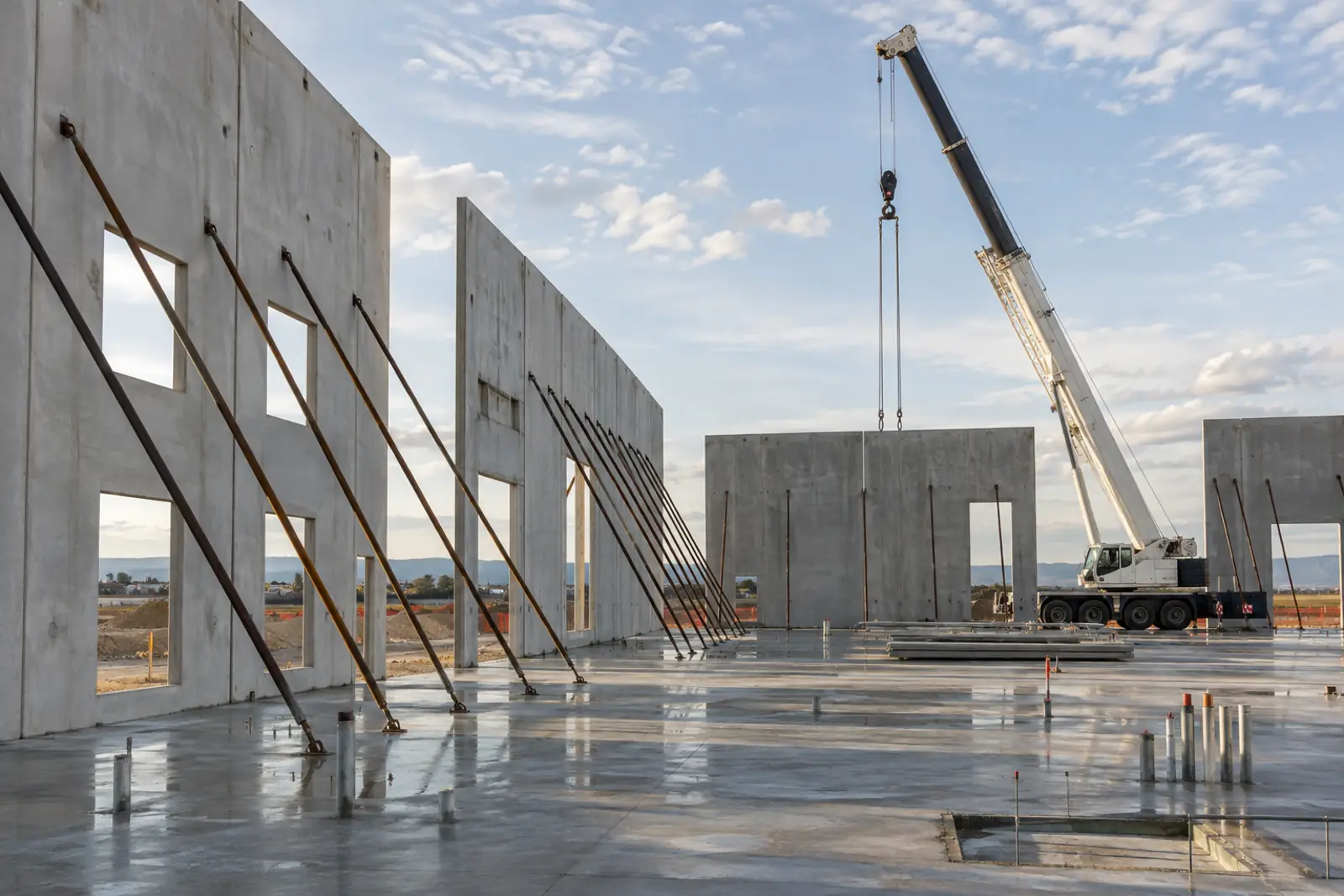
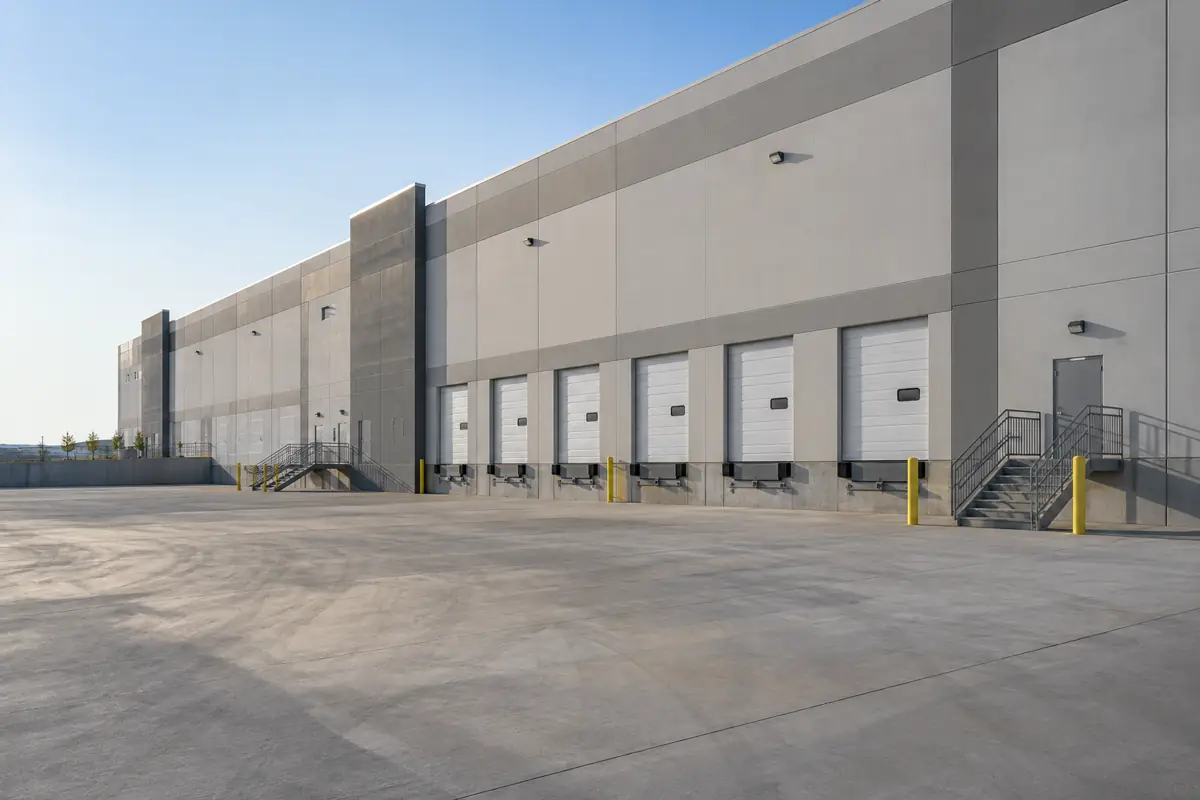
Warehouse construction
Distribution, flex and cold storage buildings with docks, slabs and truck courts.
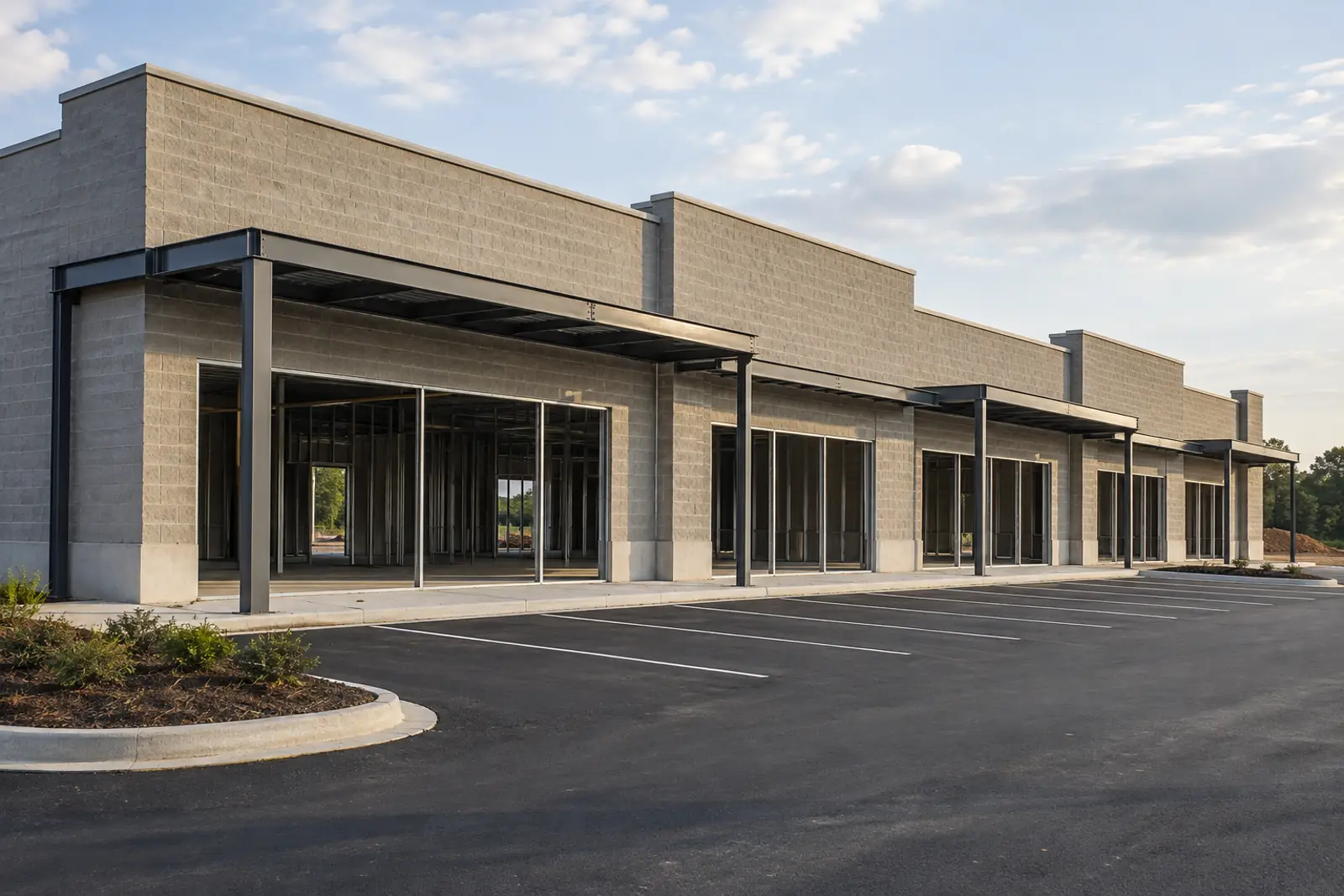
Retail construction
Strip centers, outparcels and storefronts phased so neighboring tenants keep trading.
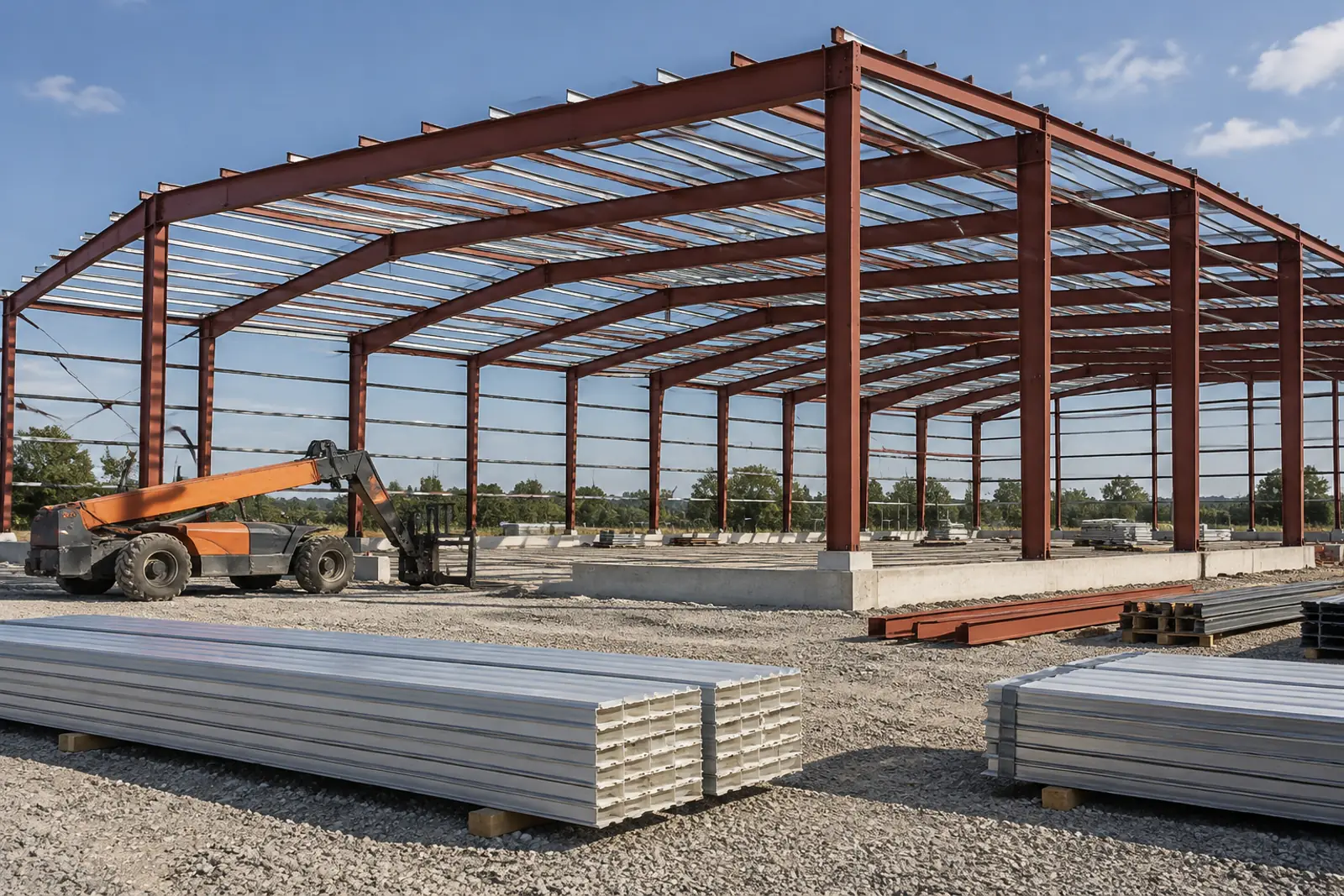
Metal building contractors
Pre-engineered steel buildings for shops, warehouses and flex space, erected on a fast cycle.
How to choose a delivery method before you choose a builder
The delivery method is the contract structure, and it sets two things owners care about most: when a builder starts giving cost advice and when the price stops moving. Under design-bid-build your architect finishes the drawings and builders bid them. Under design-build one firm holds both design and construction, which the Federal Highway Administration describes as combining two usually separate services in a single contract. Under construction management at risk you keep a separate architect, but the builder joins during design and later commits to a ceiling price.
| Method | Contracts the owner signs | When the builder joins | When the price is fixed |
|---|---|---|---|
| Design-bid-build | Architect, then a general contractor | After drawings are finished, through bidding | At contract award, on completed drawings |
| Design-build | One design-builder for design and construction | At the start, before design | When the owner accepts the design-builder's proposal (AIA A141 records it in a Design-Build Amendment) |
| Construction management at risk | Architect, plus a construction manager | During design, for preconstruction services | At the guaranteed maximum price amendment, which can come before drawings are complete |
Definitions follow FHWA, AIA Contract Documents and the GSA construction manager as constructor rule. Contract terms vary by project.
None of these is better in every case. Design-bid-build gives the clearest price comparison when the drawings are complete. Design-build suits owners who want one accountable party and can describe the building in performance terms. CM at risk suits larger or phased jobs where early cost advice matters and the owner wants an independent designer. Our design-build vs design-bid-build guide walks through the trade-offs, and the commercial construction process page shows where each method changes the sequence.
Each delivery method is sold by a different kind of firm; see how construction management companies are paid under agency, at-risk and lump-sum contracts.
What the network covers, and what we do not do
Builders in the network include general contractors, design-build firms, construction managers and specialty contractors. We check that each one holds an active license for the work and the state; the vetting page lists every check.
- Ground-up work: site work, utilities, foundations, structure, envelope, MEP and closeout.
- Interior work: tenant improvements, second-generation refreshes, restaurant and medical build-outs.
- Existing buildings: phased renovations, re-roofing, facade and window replacement, accessibility upgrades.
- Single scopes: roofing, storefront glazing, kitchen hoods, paving and other licensed specialty trades.
Where commercial building spending is moving in 2026
Private nonresidential construction ran at a seasonally adjusted annual rate of $773.0 billion in August 2026, according to the Census Bureau. The mix matters more than the total: data center spending was up 73.2% on a year earlier, while office work outside data centers fell 9.4% and manufacturing fell 19.8%. Builders whose pipelines lean on shrinking segments tend to bid hungrier; those in growing segments may be booked further out.
August 2026 vs August 2025, seasonally adjusted annual rate
Source: U.S. Census Bureau, Construction Spending (August 2026 release); office excluding data centers is a CB&C calculation
Monthly figures and the full building-type series are in the commercial construction spending tracker. For prices rather than volumes, see the commercial construction price index.
Guides and research to read before requesting bids
- Commercial construction cost per square foot: what drives the number and which published sources to trust.
- How to choose a commercial contractor: licensing, bonding, references and the questions to ask.
- Commercial building permits: what triggers a permit and how review timelines work.
- Tenant improvement allowance: how landlord contributions are calculated and paid.
Building in South Florida? Miami-Dade and Broward sit in the High-Velocity Hurricane Zone, which changes structural design and product approvals; read the HVHZ construction primer before you budget.
For hospitals and inpatient projects, where CMS enforces the 2012 Life Safety Code and work near patients needs an ICRA permit, see our healthcare construction guide.
Frequently asked questions
What do commercial construction services include?
New buildings, tenant improvements, renovations of existing buildings and specialty scopes such as roofing or storefronts, delivered under a contract model such as design-bid-build, design-build or construction management at risk. Start with the work type, then choose the contract model.
Which delivery method is cheapest?
No method is cheapest by default. Design-bid-build produces the most direct price comparison on finished drawings, while design-build and CM at risk can shorten the schedule by overlapping design and construction. Compare total cost and schedule, not the method label.
Do I need a general contractor for a small interior project?
Most commercial interior work that needs a building permit requires a licensed contractor to pull the permit. Rules vary by state and city; the licensing by state registry summarizes official board requirements.
Is a design-build firm the same as a general contractor?
Not always. A design-build firm takes responsibility for both design and construction, either with in-house architects or with a design partner under contract. A general contractor builds from drawings your architect produces. Many firms offer both models.
How many bids should I collect for commercial work?
Enough to compare scope and price without spending weeks in meetings; many owners aim for three complete bids on the same scope. Our guide to comparing construction bids shows how to level them.
Does Commercial Builders & Contractors charge project owners?
No. Owners pay nothing to use the site or receive introductions. Some builders pay us for introductions, which does not change what you pay a builder, and you are never obliged to hire anyone.
Sources
- [1] U.S. Census Bureau. Monthly Construction Spending, August 2026 (release CB26-158). Accessed 2026-10-07.
- [2] U.S. Census Bureau. Value of Private Construction Put in Place, Seasonally Adjusted Annual Rate (privsatime.xlsx). Accessed 2026-10-07.
- [3] Federal Highway Administration. Alternative Project Delivery Defined: Design-Build. Accessed 2026-10-07.
- [4] AIA Contract Documents. Summary: A141-2014, Agreement Between Owner and Design-Builder. Accessed 2026-10-07.
- [5] AIA Contract Documents. Instructions: A133-2019, Owner and Construction Manager as Constructor, Cost of the Work Plus a Fee with a GMP. Accessed 2026-10-07.
- [6] General Services Administration, Federal Register (via govinfo.gov). GSAR: Adoption of Construction Project Delivery Method Involving Early Industry Engagement, Construction Manager as Constructor (CMc), final rule, 84 FR 69648. Accessed 2026-10-07.